
Most referral programs fail because they copy others instead of building their own unique value. Successful referral marketing strategies are not about pushing people to share links, but creating trust, value, and a seamless customer experience.
When a friend recommends a product, people are more likely to check it out. But interest alone doesn’t guarantee a sale. To convert that attention into revenue, you need a referral marketing plan that’s intentional and structured.
Referral marketing goes beyond offering discounts for sharing your product. It’s about building a trusted community and creating authentic connections between customers and your brand. That takes time, effort, and the right strategy.
In this blog, we’ll explore 15 proven referral marketing strategies top brands use to grow faster. Thus, you can apply the same ideas and craft a referral strategy tailored to your business.
Table of contents
- What is Referral Marketing?
- Why Focus on Referral Strategies for Growth?
- 15 Best Referral Marketing Strategies for Success
- 1. Design Double-Sided Reward Programs
- 2. Gamify the Referral Experience
- 3. Encourage Social Media Sharing
- 4. Personalize Referral Invitations
- 5. Offer Tiered Incentives
- 6. Collaborate with Brand Advocates
- 7. Create Time-Sensitive Referral Campaigns
- 8. Simplify the Referral Process
- 9. Encourage Referrals with Community
- 10. Cross-Promote with Partners
- 11. Use Seasonal Referral Promotions
- 12. Implement Post-Purchase Referral Triggers
- 13. Leverage Customer Testimonials for Referrals
- 14. Implement Referral Analytics and Optimization
- 15. Develop Niche-Specific Referral Programs
- Conclusion
- Frequenty Asked Questions:
Automate your referral program with Yuko Affiliate Marketing and watch sales multiply through customer recommendations.
What is Referral Marketing?
Referral marketing is an approach where you can use your existing customers to bring in new ones.
This type of word of mouth marketing is often accompanied by rewards for the customers who drive conversion and bring sales.
Some of the best referral marketing strategies can help make it cost less than traditional advertising while delivering better results.
Why Focus on Referral Strategies for Growth?
Before diving into specific strategies, let’s understand how focusing on referral strategies can contribute to your growth:
- Trust Factor: 92% of people trust recommendations from friends (Nielsen).
- Cost-Effective: With referral programs, you can easily turn your customers into brand advocates. Thus, these Customer acquisition strategies cost less.
- Scalable Growth: With the help of social media and strong strategies for referral marketing, your brand can go viral easily. Moreover, to scale quickly, many rely on effective referral techniques.
Proceeding further, let’s explore how to create a strategic referral marketing program that drives conversion.
15 Best Referral Marketing Strategies for Success
The 15 best referral marketing strategies that drive results are:
- Double-Sided Rewards: Boost signups and sales by giving both sides a reason to act
- Gamify Referrals: Increase engagement and repeat shares through fun competition
- Social Media Boost: Expand reach by turning every customer into a social promoter
- Personalized Invites: Improve conversion rates with invites that feel genuine
- Tiered Rewards: Drive ongoing referrals by rewarding consistent advocates
- Work With Brand Advocates: Multiply brand awareness with trusted voices
- Limited-Time Campaigns: Accelerate referrals with urgency-driven action
- Simple Referral Flow: Reduce drop-offs and get more shares effortlessly
- Community-Driven Referrals: Strengthen loyalty while encouraging natural word-of-mouth
- Cross-Promotions: Tap into new customer bases without extra ad spend
- Seasonal Offers: Maximize referral volume during peak shopping periods
- Post-Purchase Triggers: Capture referrals at the customer’s happiest moment
- Testimonials That Inspire: Build credibility that convinces more people to join
- Smart Analytics: Identify top-performing campaigns and scale faster
- Niche-Focused Programs: Attract higher-quality leads with offers tailored to your audience
1. Design Double-Sided Reward Programs
Double-sided rewards give incentives to both the referrer and the new customers they bring. Thus, this referral program marketing strategy creates value for everyone involved.
This approach works because it addresses the main question in customers’ minds: “What’s in it for me?”
Example referral offers:
- Referrer gets $10 store credit
- New customer gets 15% off their first purchase
This win-win model doesn’t just drive signups, but builds trust and loyalty by showing you care about both customers.
A strong referral strategy example is the One of Zero Referral program, where both parties get CAD 10.
Moreover, programs like this highlight why double-sided rewards consistently outperform single-sided incentives when it comes to driving growth and conversions.

To adopt this strategy more effectively, it helps to understand different affiliate commission models and how they can support your referral program design.
2. Gamify the Referral Experience
You can turn your referral strategy marketing plan into a fun game.
Adding gamification to your referral program makes sharing exciting instead of transactional, thus driving more participation and repeat referrals.
Ways to gamify your referral marketing:
- Progress bars: Show customers how close they are to unlocking bigger rewards
- Leaderboards: Motivate top referrers to climb the ranks
- Achievement badges: Celebrate milestones and keep participants engaged
When referrals feel like a game, customers don’t just share once; they stay active, motivated, and eager to win.
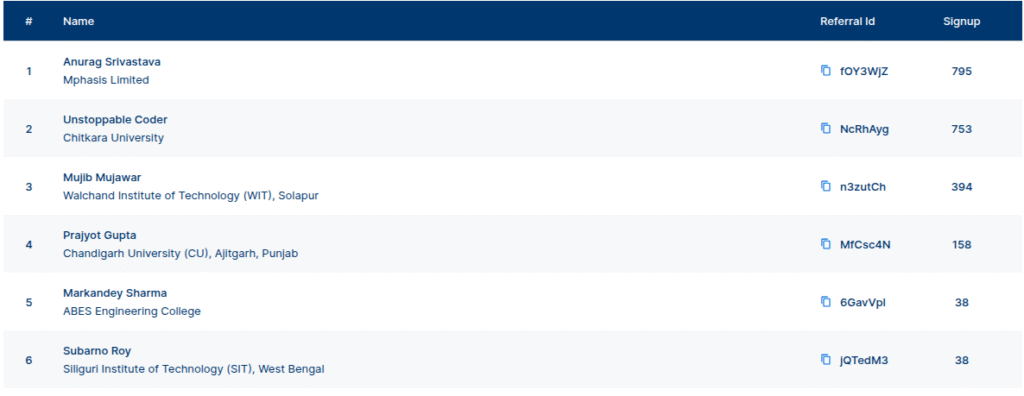
Pro Tip: Apps like Candy Crush are best at providing a gamification experience. Hence, you can borrow their tricks for referral program ideas to keep users hooked.
3. Encourage Social Media Sharing
Make it effortless for customers to share your products on social media with one-click options. In fact, the easier it is, the more likely they’ll spread the word.
Furthermore, incentivize them for social media sharing, like “Get $10 off by sharing on Instagram”.
The best referral marketing ideas are the ones that make customers do more for less. Hence, to reduce effort even further, provide ready-to-use captions or pre-written messages that customers can quickly customize and post. Thus, they can share more with less friction.
Digital referral marketing with social proof works best because people naturally like to check what others are saying before making purchase decisions.
Thus, by encouraging social sharing, you not only get more referrals but also build credibility that influences buying decisions.
Learn here how you can use a popular platform like Facebook for affiliate marketing effectively.
4. Personalize Referral Invitations
People don’t hesitate to ignore generic messages. Therefore, to make referrals effective, give customers the tools to personalize their invitations so they feel authentic and trustworthy.
Effective customer referral strategies let people add their own story about why they love your products.
Referral strategy ideas to personalize referral messages:
- Let customers add a personal note about why they love your brand
- Allow them to recommend specific products they’ve purchased
- Enable video testimonials for a more engaging, human touch
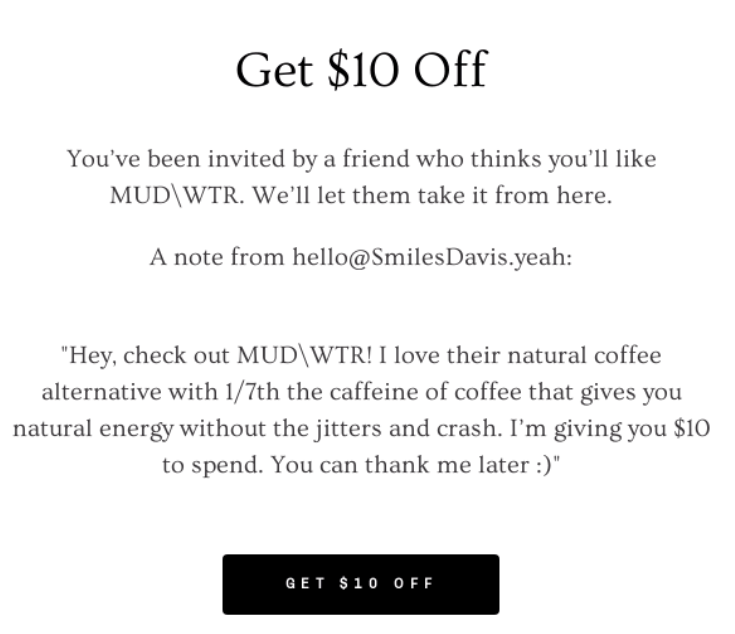
Personalization will make your referral-based growth strategy more authentic and effective. Moreover, variousAI tools can help you with such personalization.
5. Offer Tiered Incentives
Naturally, the more customers someone refers, the more they should earn. Hence, it is important to offer performance-based commission.
Moreover, this is one of the best referral marketing strategies for B2B.
For example, this is how tiered referral commission works:
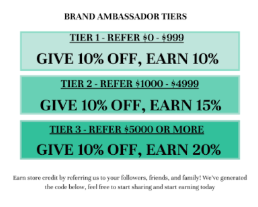
Consequently, this referral campaign example creates a feeling of “just one more” to be able to get better rewards.
Here, you can explore a simple way to set the affiliate commission.
Create a referral system in minutes and turn every purchase into future sales opportunities using Yuko Affiliate Marketing
6. Collaborate with Brand Advocates
Some customers can love your brand more than others. Therefore, identify these people and create a formal brand advocate program.
Apart from referral rewards, you can give such brand advocates,
- Early access to new product launches
- Exclusive, higher referral rewards than regular customers
- Invitations to feedback sessions where their voice helps shape the brand
This approach not only deepens loyalty but also creates high-quality, consistent referrals from people who already influence others.
7. Create Time-Sensitive Referral Campaigns
More often than not, urgency drives action. Hence, run limited-time viral referral tactics that create FOMO (fear of missing out).
Examples of time-sensitive referral ideas:
- Double rewards weekends – Motivate a surge of referrals in short bursts
- Holiday-themed bonuses – Align with seasonal shopping peaks for maximum impact
- Flash referral promos at product launches – Turn excitement into immediate sharing
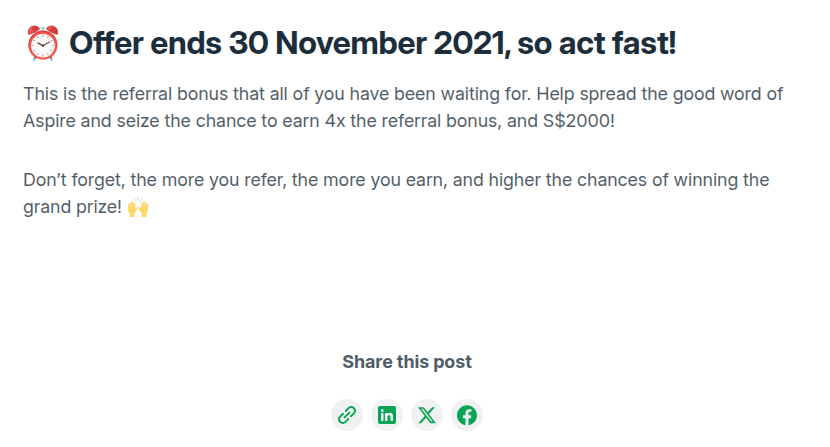
Referral marketing campaign tips: Include deadlines to motivate customers to act now rather than later.
8. Simplify the Referral Process
The easier you make it, the more people will likely sign up and participate. Therefore, streamline your e-commerce referral plans to require minimal effort.
The following is an example of a simple referral signup process.
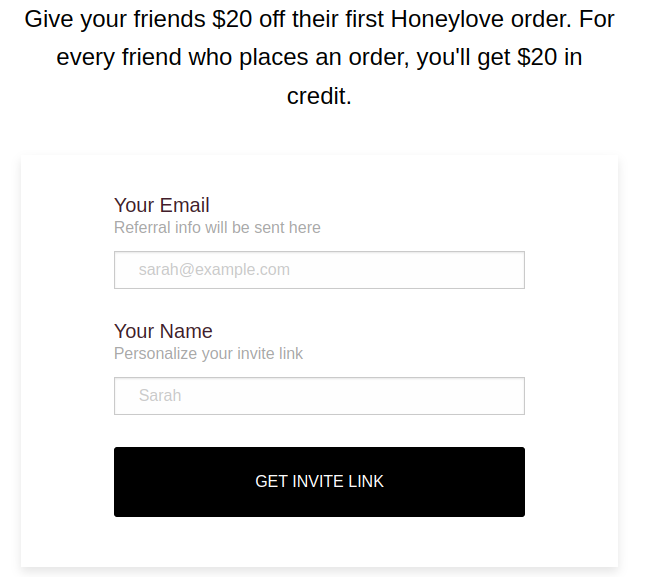
To enable this without compromising on referral link tracking, you can use dedicated referral program apps.
Every extra step reduces the participation rates of your refer-a-friend program. Hence, make it as simple as possible.
9. Encourage Referrals with Community
A strong brand community makes referrals happen naturally. When customers connect with each other, they become your best marketers through peer-to-peer trust, thus often outperforming paid ads.
Furthermore, a simple refer-a-friend strategy can outperform paid ads using trust between friends and family.
Ways to build a referral-friendly community:
- Create Facebook groups or private forums where customers can share experiences
- Run challenges that encourage tagging friends and inviting them in
- Host virtual events where members bring guests, expanding your reach
Social media referrals flow naturally in communities where people share common interests. Influencer marketing is also one of the easiest ways to bring referrals.
10. Cross-Promote with Partners
You can team up with complementary (not competing) brands to create affiliate marketing strategies that benefit both businesses.
These organic growth strategies can help tap into existing audiences of each other’s brands. As a result, you can find the audience who are likely to appreciate both products.
For example, here is a screenshot of the co-branding collaboration between Starbucks and Spotify

11. Use Seasonal Referral Promotions
You can align your referral campaign examples with seasonal shopping trends. As a result, you can maximize participation right at the time when your customers are already in a buying mood.
You can try some of these seasonal approaches for your referral marketing strategies:
- Black Friday affiliate marketing
- Holiday-themed referral contests
- Summer vacation referral challenges
- New Year’s resolution referral drives
Seasonal referral advertising is rightly timed. Hence, they will be relevant rather than pushy or sales-y.
Here is an example of a Christmas-themed referral program.

12. Implement Post-Purchase Referral Triggers
Approaching your customers the moment after purchase is one of the best referral generation techniques. Since your customers already feel good about their decision, they are most likely to share.
For example, here are some effective post-purchase triggers,
- Thank you page referral prompts
- Order confirmation email, referral options
- Package inserts with referral codes
- Post-delivery text message with sharing links
13. Leverage Customer Testimonials for Referrals
Customer feedback is one of the strongest drivers of recommendation marketing. When happy customers share their real experiences, it builds instant trust and inspires others to try your brand.

Word-of-mouth referral tactics work best when potential customers can see real results. Furthermore, highlighting genuine customer experiences builds trust faster than any marketing copy.
Additionally, after your customers post positive reviews, guide them toward your customer referral program.
To turn reviews into referrals, make sharing part of the process:
- Feature video testimonials with referral codes, so stories also drive signups
- Turn reviews into shareable success stories across social media and email
- Offer extra rewards for testimonials that lead to new customer conversions
14. Implement Referral Analytics and Optimization
For consistent improvement, you must measure the important metrics of your referral campaign. Therefore, track the performance using an efficient affiliate tracking tool.
By analyzing these metrics, you can refine your B2B referral strategies for maximum return on investment.
Key metrics to monitor include:
- Referral conversion rates
- Average value of referred customers
- Lifetime value comparison between referred and non-referred customers
- Most effective referral channels
15. Develop Niche-Specific Referral Programs
A one-size-fits-all referral program rarely works. Hence, to maximize results, customize your referral approach to your industry and audience.
You can start by researching what actually motivates referrals in your particular affiliate marketing niche.
Examples of niche-specific referral marketing strategies are:
- Professional services – Offer knowledge-sharing or networking opportunities
- Luxury brands – Reward with exclusive experiences instead of discounts
- Tech companies – Provide beta access to new features or products
- Financial services – Focus on value-added perks like premium support
Thus, by aligning your e-commerce referral marketing strategy with your industry’s unique motivators, you ensure your program feels relevant and compelling.
Streamline customer referrals automatically with Yuko Affiliate Marketing and boost your acquisition rates by up to 30%
Conclusion
Referral marketing consistently delivers one of the highest ROIs compared to other word-of-mouth marketing methods. Hence, by leveraging the trust of your existing customers, you can drive sustainable growth without heavy ad spend.
Hence, you can start simple by implementing one or two strategies, testing them, and measuring results. Then, as you see what works, gradually expand your referral program with more tactics to scale impact.
Related reading
- 15 Best Partnership Marketing Examples + Emerging Trends
- 9 Best Shopify Product Bundle Apps for Higher Sales
- How to Recruit Affiliates? 9 Affiliate Recruitment Strategies
- Mastering Shopify Affiliate Commission Rates – A Step-by-Step Guide
Frequenty Asked Questions:
A referral marketing strategy is a plan that encourages existing customers to promote your brand to their friends and family. You can offer incentives for successful referrals. Thus, encourages customer acquisition at lower costs.
A good example of referral marketing is the Salesforce referral program. They created a double-sided reward that drove significant referral-based growth.
A referral is when customers directly connect you with potential buyers. It often involves trackable referral links or codes and incentives. However, a recommendation is informal. It is based on satisfaction rather than rewards.
The best referral marketing software for e-commerce is Yuko Affiliate Marketing. It is Shopify-specific and makes referral program automation easy. Furthermore, other top referral tools are ReferralCandy, Referral Rock, etc.
B2B referral program best practices are: Firstly, creating detailed case studies from successful referrals. Then, offering value-based rewards like service upgrades. Furthermore, maintaining regular communication with referral partners.