
Your business’s online reputation can make or break your success in today’s digital world. When potential customers search for your services, one of the first things they see is your Google reviews. But did you know that violating the google reviews policy could result in removed reviews, penalties, or even suspension of your Google Business Profile? With 88% of customers reading Google reviews before engaging with a local business, understanding and following Google’s rules has never been more critical.
Table of contents
- What Is the Google Reviews Policy?
- Why the Google Reviews Policy Matters for Your Business
- Key Components of the Google Reviews Policy
- Understanding Review Gating and Why It’s Prohibited
- Incentivized Reviews: A Critical Violation
- Insider Reviews and Disclosure Requirements
- How Google Enforces Its Review Policy
- Common Review Policy Violations and How to Avoid Them
- Best Practices for Complying with the Google Reviews Policy
- Handling Unfair or Fake Reviews
- The Impact of Recent Policy Updates
- Comparing Google’s Policy with Other Platforms
- Review Management Tools and Compliance
- Legal Considerations Beyond Google’s Policy
- The Future of Google Reviews Policy
- Building Authentic Reputation in Compliance
- Frequently Asked Questions
Recent updates to the google reviews policy in 2025 have introduced stricter enforcement mechanisms powered by artificial intelligence, making compliance essential for every business owner. Whether you run a local restaurant, an e-commerce store, or a professional service, this comprehensive guide will walk you through everything you need to know about Google’s review guidelines, common violations, and best practices to protect your online reputation.
What Is the Google Reviews Policy?
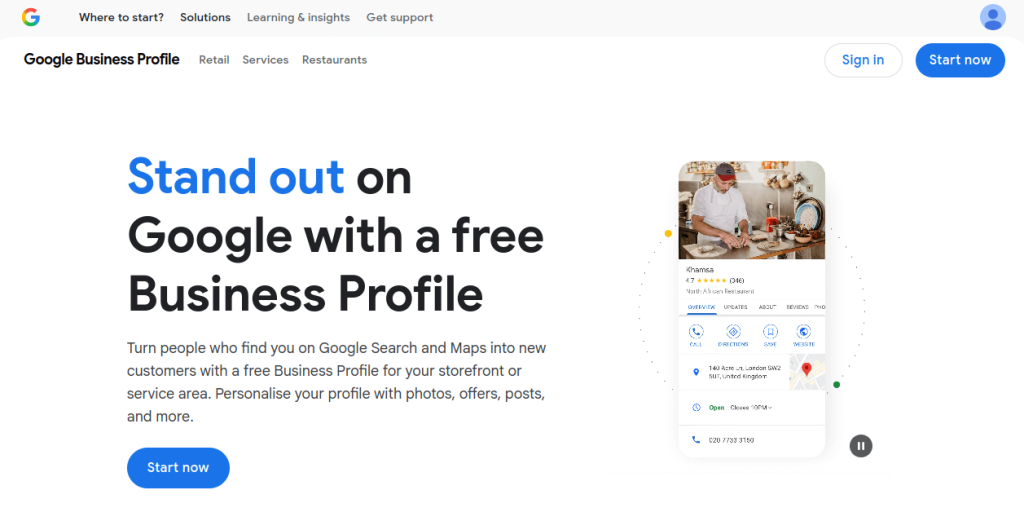
The google reviews policy is a comprehensive set of guidelines established by Google to govern how reviews are posted, managed, and displayed across its platforms, including Google Search, Google Maps, and Google Business Profile. These policies serve as a framework to maintain authenticity, relevance, and credibility within Google’s review ecosystem.
At its core, the policy aims to ensure that reviews represent genuine customer experiences rather than manipulated or fabricated feedback. According to recent data, Google hosts 73% of all online reviews, making it the dominant platform for consumer feedback. With such massive influence, maintaining review integrity directly impacts both consumer trust and business success.
The Google review guidelines cover multiple aspects of the review process, including what content is acceptable, who can leave reviews, how businesses should interact with reviewers, and what practices are explicitly prohibited. These rules apply to everyone: customers writing reviews, businesses responding to feedback, and third parties involved in reputation management.
Why the Google Reviews Policy Matters for Your Business
Understanding the google reviews policy goes beyond simple compliance. Your business’s visibility, credibility, and revenue are directly tied to your review profile. Consider these compelling statistics:
- 95% of consumers read online reviews before making a purchase
- 74% of consumers feel that positive Google reviews help them trust a business more
- 87% of customers engage with businesses that have a 3-4 star average rating
- 58% of consumers are willing to pay more for businesses with good reviews
- 53% of customersexpect responses to negative reviews within one week
These numbers reveal a crucial truth: your Google reviews are not optional marketing assets but essential components of your business strategy. Violating the google reviews policy can trigger automatic removal of reviews, display of warning banners on your profile, or complete suspension of your Google Business Profile.
In January 2025, Google signed undertakings with the UK Competition and Markets Authority to enhance processes for tackling fake reviews, demonstrating the platform’s commitment to stricter enforcement.
Here’s the condensed version:
Key Components of the Google Reviews Policy
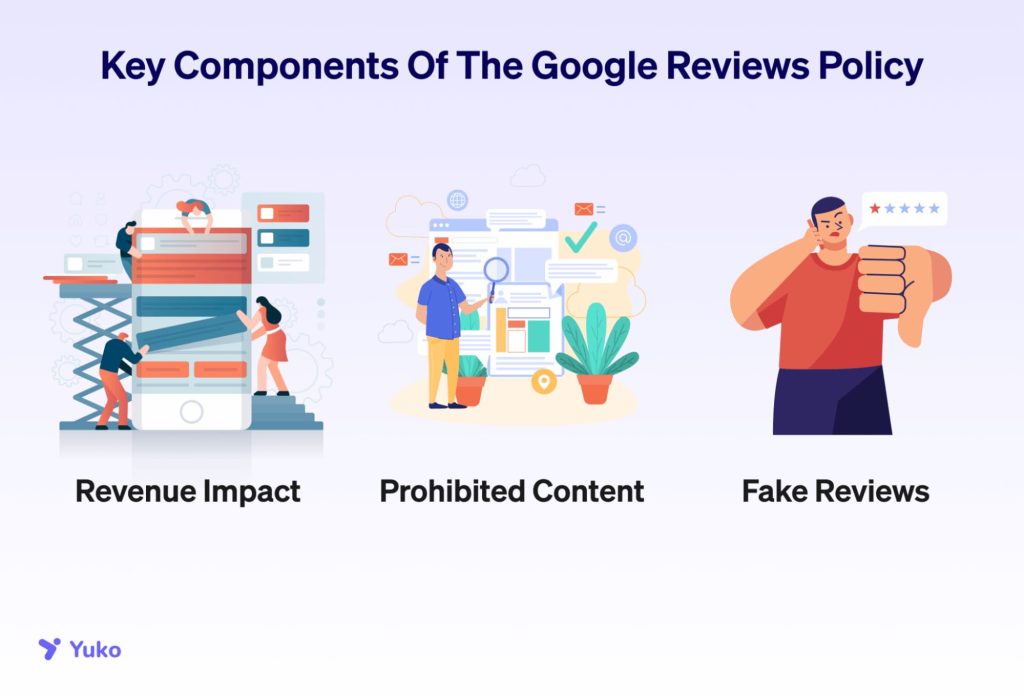
Understanding the key components of the google reviews policy helps you navigate the system confidently and avoid costly mistakes. Google’s framework rests on three fundamental pillars that maintain review integrity.
1. Authentic Customer Experiences
The foundation of Google review guidelines centers on authenticity. Reviews must come from individuals with genuine first-hand experiences. Google’s AI analyzes hundreds of signals instantly to detect artificial or manipulated content.
Legitimate reviews should be:
- Based on actual customer interactions
- Relevant to the business being reviewed
- Free from promotional or biased content
- Specific and detailed rather than generic
2. Prohibited Content Categories
Google explicitly prohibits several content types:
Hate Speech and Discriminatory Content – Offensive content targeting protected groups is immediately removed.
Obscenity and Profanity – Profanity used to offend or harass violates policy.
Sexually Explicit Content – Pornographic or explicit material is strictly banned.
Illegal Activity – Reviews promoting illegal goods or services result in account termination.
Spam and Fake Content – Meaningless content, repetitive posts, and reviews from multiple fake accounts.
3. The Strict Rules Against Fake Reviews
Fake reviews are among the most serious policy violations. Google has blocked 56 million fake reviews in recent years, with approximately 10.7% of all Google reviews estimated to be fake.
Fake reviews include:
- Reviews by people who never used the business
- AI-generated content misrepresenting experiences
- Reviews purchased from third-party vendors
- Content from multiple accounts by one person
- Reviews using emulators or device tampering
The FTC Connection: In August 2024, the Federal Trade Commission announced a rule prohibiting businesses from creating, purchasing, or selling fake reviews. Violations carry civil penalties up to $51,744 per violation, adding serious legal consequences to Google’s enforcement.
Understanding Review Gating and Why It’s Prohibited
Review gating remains one of the most misunderstood aspects of the google reviews policy. Many businesses unknowingly violate this rule while attempting to manage their online reputation.
What Is Review Gating?
Review gating is the practice of selectively soliciting positive reviews while suppressing or preventing negative ones. Common examples include:
- Asking only satisfied customers to leave Google reviews
- Pre-screening customer feedback before directing them to Google
- Providing Google review links exclusively to customers who express satisfaction
- Using internal surveys to filter which customers receive review requests
Why Google Prohibits Review Gating
The google reviews policy explicitly forbids review gating because it undermines the authenticity and usefulness of the review system. When businesses cherry-pick which customers can leave public reviews, the resulting profile no longer represents genuine customer experiences. According to research, 96% of customers specifically seek out negative reviews to understand potential drawbacks before making purchase decisions.
Acceptable Review Solicitation Practices
Businesses can still actively request reviews while complying with Google review guidelines:
- Send review requests to all customers equally, regardless of their experience
- Use automated email campaigns triggered after service completion
- Display QR codes or links in your physical location accessible to everyone
- Include review requests in follow-up communications with all customers
The key distinction is equal opportunity: every customer must have the same chance to leave a review, positive or negative.
Incentivized Reviews: A Critical Violation
The google reviews policy takes a firm stance against incentivized reviews, where businesses offer compensation, discounts, or other benefits in exchange for reviews expressing a particular sentiment.
What Counts as an Incentive?
Prohibited incentives include:
- Monetary payment for reviews
- Discounts or coupons conditional on leaving a review
- Entry into contests or giveaways for reviewers
- Free products or services in exchange for feedback
- Any compensation tied to writing or revising reviews
The Legal Framework
The FTC’s 2024 rule reinforces this prohibition, stating that businesses cannot provide compensation or incentives “conditioned on the writing of consumer reviews expressing a particular sentiment, either positive or negative.” This means even offering incentives for honest reviews can be problematic if the offer is structured in a way that suggests a desired outcome.
Legitimate Customer Appreciation
You can still show appreciation to customers who leave reviews organically. The distinction lies in timing and conditionality:
Prohibited: “Leave us a 5-star review and receive 20% off your next purchase” Acceptable: Sending a thank-you note after a customer voluntarily leaves a review (without prior promise of reward)
Insider Reviews and Disclosure Requirements
The google reviews policy addresses reviews written by individuals with material connections to the business. While not completely prohibited, these reviews require clear disclosure.
Who Qualifies as an Insider?
According to Google review guidelines, insiders include:
- Current and former employees
- Business owners and their immediate family members
- Contractors and service providers with business relationships
- Anyone else with a material connection to the business
Disclosure Requirements
When insiders post reviews, they must clearly and conspicuously disclose their relationship with the business. Failure to do so violates both the google reviews policy and FTC regulations. The disclosure should be specific and transparent, such as “I work here” or “I’m the owner’s relative.”
Competitor Reviews
The policy strictly prohibits posting reviews on a competitor’s profile to undermine their reputation. This practice, known as “attack reviews,” can result in account suspension and potential legal consequences. Similarly, businesses cannot post reviews on their own profiles from fake accounts, even if technically from “insiders.”
How Google Enforces Its Review Policy
Understanding enforcement mechanisms helps businesses appreciate the importance of compliance with the google reviews policy.
AI-Powered Detection
Google operates one of the most advanced moderation systems combining cutting-edge AI with human analysts. Machine learning models scan every review immediately upon submission, analyzing hundreds of signals including:
- Unusual review patterns (sudden floods of 5-star or 1-star ratings)
- Suspicious account behavior
- Linguistic patterns suggesting fake or AI-generated content
- IP address anomalies and location mismatches
- Review timing and frequency
Human Review Teams
While AI handles the majority of moderation, human analysts step in for nuanced decisions that algorithms cannot make. This dual approach ensures both scale and accuracy in policy enforcement.
Consequences of Violations
When Google detects review policy violations, consequences can include:
Review Removal: Individual reviews that violate guidelines are removed without notice to the business or reviewer.
Warning Banners: If fraudulent activity is detected, Google may display public warnings on your business profile, notifying potential customers about removed reviews or suspicious activity.
Profile Suspension: Severe or repeated violations can result in complete suspension of your Google Business Profile, eliminating your presence from Google Search and Maps.
Legal Action: The FTC’s 2024 rule allows for civil penalties up to $51,744 per violation for businesses engaged in deceptive review practices.
Extended Review Removal Periods
As of 2025, Google introduced extended scrutiny periods where flagged reviews may remain hidden while undergoing additional evaluation. This prevents unfair removals while giving Google time to verify violations.
Common Review Policy Violations and How to Avoid Them
Many businesses unknowingly violate the google reviews policy. Here are the most common infractions and prevention strategies:
1. Bulk Review Solicitation
Violation: Sending mass review requests to large groups simultaneously, creating an artificial spike in reviews.
How to Avoid: Use drip campaigns that send individualized review requests after specific customer interactions. Tools that alert you before running instant bulk campaigns can help maintain compliance with Google review guidelines.
2. Conflict of Interest Reviews
Violation: Employees, owners, or competitors posting reviews without proper disclosure.
How to Avoid: Implement clear policies prohibiting employees from posting reviews. If insiders do post legitimate reviews, ensure they include transparent disclosures of their relationship.
3. Irrelevant Content
Violation: Reviews that discuss unrelated topics, personal political statements, or content not pertinent to the business experience.
How to Avoid: While you cannot control what reviewers post, you can flag irrelevant reviews for Google to assess. Focus your customer communication on their actual experience with your products or services.
4. Low-Quality Content
Violation: Reviews lacking substantive information, such as “Great!” or “Luv it!” without any context or detail.
How to Avoid: When requesting reviews, encourage customers to share specific details about their experience. Provide gentle guidance on what helpful reviews include, without dictating sentiment.
5. Review Suppression
Violation: Using legal threats, intimidation, or false accusations to prevent or remove negative reviews.
How to Avoid: Never threaten customers who leave negative reviews. Instead, respond professionally and work to resolve issues. The FTC rule specifically prohibits “unfounded or groundless legal threats” designed to suppress negative feedback.
Best Practices for Complying with the Google Reviews Policy
Maintaining a strong, authentic review profile requires proactive management while respecting the google reviews policy.
Create a Review Request Strategy
Develop a systematic approach to requesting reviews from all customers:
- Timing: Request reviews shortly after service completion when the experience is fresh
- Equal Access: Ensure every customer receives the same opportunity to review
- Clear Instructions: Make the review process simple with direct links or QR codes
- No Pressure: Frame requests as invitations, never obligations
Monitor Your Review Profile Regularly
Stay informed about what customers are saying:
- Check your Google Business Profile daily for new reviews
- Set up notifications for immediate alerts
- Track review trends and sentiment over time
- Identify patterns that might indicate policy issues
Respond to All Reviews Professionally
Engaging with reviewers demonstrates your commitment to customer satisfaction and can improve your visibility. When responding:
- Thank customers for positive reviews without sounding scripted
- Address negative reviews with empathy and solutions
- Never be defensive or argumentative
- Keep responses concise and relevant
- Avoid mentioning review policy violations publicly (use the flag feature instead)
Research shows that 73% of unhappy customers will give a business a second chance if an owner’s response solves their problem. Conversely, 59% of customers won’t return if negative reviews are ignored.
Educate Your Team
Ensure everyone in your organization understands Google review guidelines:
- Train staff on what constitutes policy violations
- Establish clear protocols for requesting and responding to reviews
- Create consequences for team members who violate policies
- Regularly update training materials as Google’s policies evolve
Never Buy Reviews or Use Review Services
Despite aggressive marketing from companies offering to boost your reviews, purchasing reviews always violates the google reviews policy. These services typically use:
- Click farms with fake accounts
- Bot-generated content
- Individuals paid to post fake experiences
- Stolen or compromised accounts
Google’s AI systems have become remarkably adept at detecting purchased reviews. According to data, approximately 50% of consumers report seeing fake reviews they could identify, and Google removes millions annually.
Handling Unfair or Fake Reviews
While you must never suppress legitimate negative feedback, the google reviews policy does allow you to flag reviews that genuinely violate guidelines.
When to Flag a Review
Report reviews to Google if they contain:
- Hate speech or discriminatory language
- Threats or harassment
- Spam or obviously fake content
- Off-topic material
- Personal information shared without consent
- Content from competitors posting attack reviews
- Reviews clearly written by someone who never used your business
How to Flag a Review
- Sign into your Google Business Profile
- Navigate to the specific review
- Click the three-dot menu icon
- Select “Flag as inappropriate”
- Provide any supporting evidence if requested
What Happens After Flagging
Google reviews each flagged review against its policies. The process is anonymous, meaning the reviewer won’t know who reported the content. However, removal is not guaranteed. Google only removes reviews that clearly violate specific policy provisions. Reviews expressing negative opinions or experiences, even if unfair, typically remain if they don’t break specific rules.
According to Google review guidelines, one-star reviews without text are generally not removed unless they violate other policies. Similarly, negative opinions based on actual experiences remain even if you disagree with the customer’s perspective.
The Impact of Recent Policy Updates
The google reviews policy continues to evolve, with significant updates throughout 2024 and 2025 reflecting the changing digital landscape.
AI-Generated Content Detection
With the proliferation of generative AI tools, Google has enhanced its detection capabilities specifically targeting AI-created reviews. Machine learning models now identify linguistic patterns, consistency issues, and other markers suggesting artificial generation.
Public Transparency Initiatives
Google’s January 2025 agreement with the CMA includes commitments to:
- More rigorous detection and removal processes
- Sanctions against businesses benefiting from fake reviews
- Penalties for individuals creating or selling fake reviews
- Enhanced transparency about review removal decisions
Product Review Guidelines
Google expanded its policy to include specific requirements for product reviews, particularly benefiting retail businesses and e-commerce stores:
- Reviews must be authentic and specific
- Avoid boilerplate text repeated across reviews
- User-generated images must be relevant and clear
- Review feeds must be owned by the retailer, not syndicated
School Review Removal
In a notable 2025 update, Google removed all reviews for primary and secondary schools globally, recognizing these institutions as “critical services” that require different treatment than commercial businesses.
Comparing Google’s Policy with Other Platforms
Understanding how the google reviews policy compares to other major platforms helps businesses maintain consistent compliance across their digital presence.
| Policy Aspect | Yelp | Amazon | ||
| Fake Reviews | Strictly prohibited; AI detection | Prohibited; aggressive filtering | Not allowed; less robust detection | Banned; “Verified Purchase” badge system |
| Incentivized Reviews | Never allowed | Prohibited | Against terms of service | Allowed only through Vine program |
| Review Gating | Explicitly banned | Not allowed | Not formally addressed | Not specifically prohibited |
| Employee Reviews | Allowed with disclosure | Discouraged | Not specifically addressed | Allowed with disclosure |
| Review Removal | Automated + manual review | Community reporting + staff review | AI-assisted moderation | Automated detection systems |
| Response Feature | Available to all verified businesses | Available to claimed businesses | Available on business pages | Available to sellers/brands |
| Trust Level (2024) | 67% consumer trust | 41% consumer trust | 34% consumer trust | 47% consumer trust |
This comparison reveals that Google maintains some of the strictest standards while commanding the highest consumer trust among major review platforms.
Review Management Tools and Compliance
Effective review management requires balancing automation with compliance. When selecting tools to manage your Google reviews, ensure they align with the google reviews policy.
Features to Look For
Automated Review Requests: Choose platforms that send individualized requests after customer interactions rather than bulk campaigns. The system should naturally space out requests to avoid triggering Google’s spam detection.
Multi-Platform Management: Tools that centralize reviews from multiple platforms help you maintain consistent oversight while respecting each platform’s unique policies.
Response Management: Features that help you craft professional responses quickly while maintaining your authentic voice prove invaluable for businesses managing numerous reviews.
Compliance Alerts: The best tools include built-in warnings when campaigns might violate Google review guidelines, helping you avoid mistakes before they occur.
What to Avoid
Stay away from services or tools that:
- Offer to write reviews on your behalf
- Promise specific rating improvements
- Use tactics that clearly violate the google reviews policy
- Generate bulk review requests without individualization
- Claim to remove legitimate negative reviews
- Offer incentives to reviewers automatically
Legal Considerations Beyond Google’s Policy
The google reviews policy operates within a broader legal framework that businesses must understand.
Federal Trade Commission Rules
The FTC’s August 2024 rule creates federal legal standards that complement Google’s policies:
- Civil penalties up to $51,744 per violation
- Applies to businesses, marketing agencies, and PR firms
- Covers fake reviews, incentivized reviews, and review suppression
- Enables consumer redress and injunctive relief
State-Level Regulations
Many states have enacted their own consumer protection laws addressing deceptive review practices. California, New York, and several other states can impose additional penalties beyond FTC enforcement.
Defamation and False Reviews
While you must tolerate negative opinions, reviews containing provably false statements of fact may constitute defamation. However, legal action should be an absolute last resort and typically requires:
- Clear demonstration that statements are false, not opinions
- Proof of harm to your business
- Evidence of malicious intent
- Exhaustion of all other remedies
The FTC’s rule specifically prohibits using “unfounded or groundless legal threats” to suppress reviews, making it critical to have legitimate legal grounds before pursuing action.
The Future of Google Reviews Policy
As we move further into 2025 and beyond, several trends are shaping the evolution of the google reviews policy:
Enhanced AI Detection
Google continues investing heavily in machine learning capabilities to identify increasingly sophisticated fake review schemes. Future systems will likely detect:
- Coordinated review campaigns across multiple businesses
- Subtle manipulation tactics that current systems miss
- AI-generated content with greater accuracy
- Complex networks of fake reviewer accounts
Greater Transparency
Consumer demand for transparency is driving Google toward:
- More detailed explanations of review removals
- Enhanced verification of reviewer identities
- Clearer indicators of review authenticity
- Better communication about policy enforcement
Stricter Enforcement
The combination of regulatory pressure and platform integrity concerns suggests:
- More frequent profile suspensions for serious violations
- Expanded use of public warning banners
- Increased collaboration with regulatory agencies
- Potential criminal referrals for organized fake review operations
Evolving Review Formats
Google may introduce new review features that enhance authenticity while maintaining the google reviews policy:
- Verified customer badges
- Photo/video requirements for certain review types
- Enhanced authentication for reviewer identities
- Integration with purchase verification systems
Building Authentic Reputation in Compliance
Navigating the google reviews policy successfully requires more than technical compliance. It demands a fundamental commitment to authentic customer relationships and transparent business practices. The businesses that thrive in today’s review-driven marketplace are those that view Google’s policies not as obstacles but as guardrails supporting genuine reputation building.
Remember these key principles:
- Authenticity Always Wins
- Compliance Is Protection
- Reviews Are Conversations
- Staying Informed Is Essential
As online reviews become increasingly central to consumer decision-making, businesses that embrace the spirit of the google reviews policy, not just its letter, will build sustainable competitive advantages. The path forward is clear: deliver outstanding service, request feedback openly from everyone, respond professionally to all reviews, and never attempt to game the system. This approach satisfies both Google’s requirements and, more importantly, the expectations of the customers whose trust you seek to earn.
Frequently Asked Questions
Yes, absolutely! You can and should request reviews from your customers. The key is to ask all customers equally, regardless of whether their experience was positive or negative. Send review requests to everyone who completes a transaction or receives your service. What you cannot do is selectively ask only happy customers (review gating) or offer incentives for positive reviews.
Not always. Google may remove reviews without notifying either the business or the reviewer. If you notice your review count or rating has changed, it’s likely Google removed policy-violating content. However, if suspicious activity is detected, Google may display a warning banner on your profile informing customers about removed reviews.
No. You’re not responsible for reviews written by others, including competitors posting fake negative reviews. However, you should flag these reviews immediately. Google’s systems are designed to detect and remove competitor attack reviews. Focus on building authentic reviews to outweigh any malicious content while the flagged reviews are under review.
Google uses a combination of advanced AI and human analysts. The AI scans hundreds of signals including: unusual review patterns (sudden spikes), suspicious account behavior, linguistic patterns suggesting AI-generated content, IP address anomalies, location mismatches, and review timing. Human analysts then review flagged content for nuanced decisions that algorithms can’t make.
No, this is review gating and explicitly violates Google’s policy. You cannot filter customers based on their satisfaction level before directing them to Google. Internal surveys to gauge satisfaction are fine, but you must give ALL customers equal opportunity to leave a Google review, regardless of their feedback to you privately.

