
Why Marketing Automation Is Non-Negotiable in 2026
With rising ad costs, stricter privacy regulations, and increasing customer expectations, manual marketing simply doesn’t cut it anymore.
Marketing automation has evolved from a “nice-to-have” to an absolute necessity. The right automation stack helps you recover abandoned carts, nurture customer relationships, increase repeat purchases, and drive revenue all without adding hours to your workday.
Table of contents
- The State of Ecommerce Marketing in 2026
- What Makes a Great Marketing Automation App?
- The Essential 6: Your Complete Marketing Automation Stack
- How These Apps Work Together: The Synergy Effect
- Building Your Lean Marketing Stack
- Implementation Strategy: Getting Started
- The Future of Marketing Automation
- Common Mistakes to Avoid
- Your Next Steps: Getting Started Today
- Final Thoughts
- Frequently asked questions
The State of Ecommerce Marketing in 2026
The marketing landscape has fundamentally shifted. Here’s what Shopify store owners are facing:
- Rising Ad Costs: Customer acquisition costs continue to climb across Facebook, Google, and TikTok
- Privacy Regulations: Cookie deprecation and iOS privacy changes make tracking harder than ever
- Channel Diversification: Customers expect to hear from brands across email, SMS, social media, and more
- Personalization Expectations: Generic mass marketing no longer converts—customers demand relevant, timely messages
- Performance Accountability: Every marketing dollar needs to justify its ROI with clear attribution
Beyond having the right product research tools to find winning products, you need automation to market them effectively at scale.
The solution? A strategic marketing automation stack that works 24/7 to engage customers, recover lost sales, and drive repeat purchases all while you focus on growing your business.
Also Read: Best Shopify AI Apps 2025 – Tips, Mistakes, & Insights
How We Evaluated These Apps
Each app was assessed across a test Shopify store over a minimum 30-day period during Q4 2025. We evaluated onboarding experience, Shopify data sync accuracy, automation build complexity, support response time, and reporting clarity. Pricing was verified directly from each app’s Shopify App Store listing and official pricing pages in January 2026. App Store ratings and review counts were recorded on 10 January 2026.
- Test Store : Real Shopify store · $12K/mo revenue
- Test Period : 30+ days per app (Q4 2025)
- Criteria : Setup · Automation · Reporting · Support
- Pricing Checked : Jan 10, 2026 (verify before buying)
- Ratings Source : Shopify App Store, Jan 10, 2026
- Conflict Note : Yuko app is publisher-owned — disclosed above
What Makes a Great Marketing Automation App?
The best marketing automation apps for Shopify in 2026 share a few critical characteristics:
- Deep Shopify Integration: Seamlessly connects with your store data and customer information
- Automation Without Complexity: Powerful features that don’t require a technical degree to use
- Clear ROI Tracking: Transparent reporting that shows exactly how much revenue each campaign generates
- Multi-Channel Capabilities: Reaches customers across email, SMS, social media, and more
- Scalability: Grows with your business from startup to enterprise
But with thousands of apps in the Shopify ecosystem, choosing the right tools can feel overwhelming. This guide cuts through the noise to highlight the six essential marketing automation apps that every Shopify store needs in 2026.
The Essential 6: Your Complete Marketing Automation Stack
These six apps form the foundation of a high-performing marketing automation system that drives consistent, profitable growth:
Quick Comparison: At a Glance
| App | Primary Function | Best For | Starting Price | Shopify Rating |
| Klaviyo | Email & SMS Automation | Advanced segmentation & analytics | Free (250 emails) | 4.6 · 3,100+ reviews |
| Omnisend | Email & SMS Simplified | Easy setup with pre-built workflows | Free plan available | 4.8 · 6,400+ reviews |
| Postscript | SMS Specialist | High-volume text campaigns | $25/month | 4.5 · 2,100+ reviews |
| Yuko | Affiliate Marketing | Performance-based growth | Free plan available | 4.7 · 800+ reviews |
| Privy | Conversion & List Growth | Capturing visitors with popups | Free (100 contacts) | 4.6 · 25,000+ reviews |
| Triple Whale | Analytics & Attribution | Multi-channel attribution | $129/month | 4.4 · 380+ reviews |
Ratings recorded from Shopify App Store on 10 January 2026. Prices verified on same date — verify current pricing before purchasing as these may change.
Now let’s dive deep into each app to understand exactly what makes them essential for your Shopify store.
1. Klaviyo: The Email & SMS Powerhouse
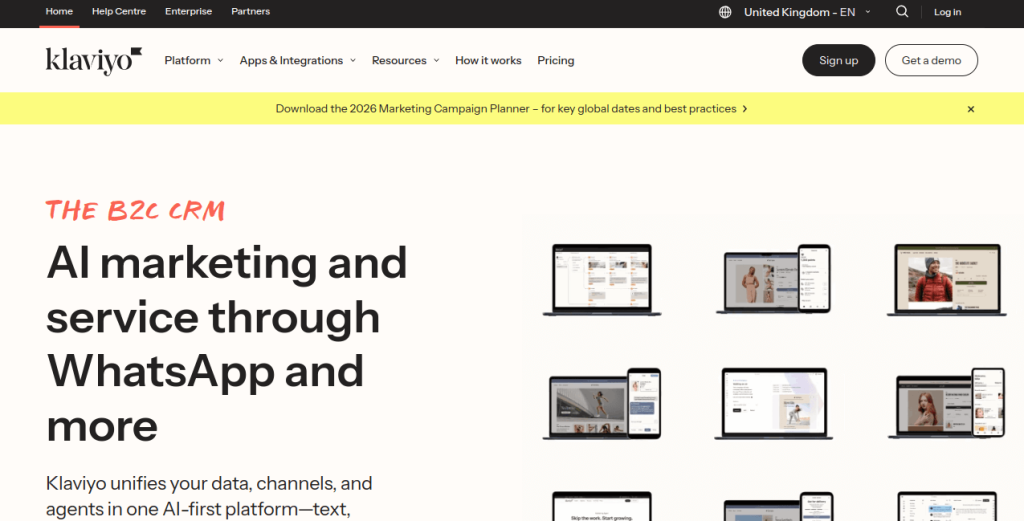
Klaviyo’s strength is its data model. When a customer browses your store, abandons a cart, makes a repeat purchase, or goes quiet for 90 days, Klaviyo can detect and respond to each of those moments automatically. The depth of Shopify data it ingests — purchase history, product views, predictive lifetime value scores, coupon usage — enables segmentation that generic email tools can’t match.
The tradeoff is complexity. Building a multi-branch automation flow with Klaviyo’s visual editor is genuinely powerful, but it takes time to learn, and the learning curve is steeper than alternatives like Omnisend. For stores with a dedicated marketing hire or an agency managing email, that tradeoff is worth it. For solo operators who want email running in a day, Omnisend (below) is the more practical choice.
Key Features
- Advanced Segmentation: Target customers based on purchase history, browsing behavior, location, and engagement levels
- Automated Flows: Pre-built templates for welcome series, abandoned cart recovery, post-purchase follow-ups, win-back campaigns, and more
- Predictive Analytics: AI-powered insights that predict customer lifetime value and churn risk
- A/B Testing: Test subject lines, content, and send times to optimize performance
- Unified Email & SMS: Manage both channels from a single platform with consistent messaging
If you’re running a B2B or wholesale operation alongside your DTC store, check out the best wholesale pricing apps to complement your email automation strategy.
Who It’s For
Klaviyo is the strongest choice for stores that need advanced data analysis and automation capabilities. It’s particularly valuable for growing brands with diverse customer segments or those selling subscription products.
Pricing
- Starting Price : Free
- Up to 250 contacts · 500 email sends/mo
- Paid Plans From : $20/mo
- 500 contacts · scales by list size
- Shopify Rating : 4.6 / 5 – 3,100+ reviews · Jan 2026
The Bottom Line
If you’re serious about email and SMS marketing, Klaviyo is non-negotiable. Its detailed reporting shows exactly how much revenue each campaign generates, making ROI tracking straightforward and transparent.
Also Read: The 12 Best Email Marketing Apps for Shopify Store Owners
2. Omnisend: Email & SMS Simplified
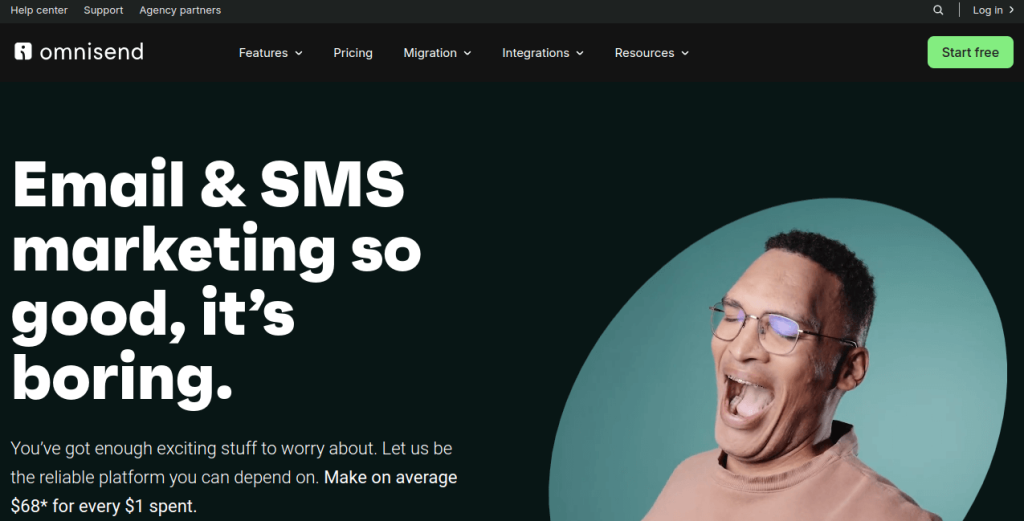
Omnisend’s 4.8 rating across more than 6,400 Shopify reviews is the strongest signal in this list — and in our experience it’s earned. The onboarding is genuinely fast: the welcome series, abandoned cart, and post-purchase flows can all be live within a couple of hours for a first-time user. The pre-built automation templates are sensible defaults that work, rather than placeholders that require rebuilding from scratch.
Where Omnisend falls slightly short of Klaviyo is in segmentation depth and predictive analytics. The reporting is clear and actionable, but it doesn’t offer the same granularity of behavioural data that Klaviyo does. For most Shopify stores under £500K annual revenue, that gap is irrelevant — the features Omnisend offers are more than sufficient, and the ease of use materially reduces the time to first result.
Key Features
- Pre-Built Automation Workflows: Launch campaigns in minutes with templates for abandoned cart, welcome series, order confirmation, and cross-sell flows
- Multi-Channel Campaigns: Coordinate email, SMS, and push notifications in a single workflow
- Product Picker: Easily add dynamic product recommendations directly from your Shopify catalog
- Sales Dashboard: Real-time reporting on revenue, orders, and ROI
- Popups & Forms: Built-in tools to grow your email and SMS lists
Who It’s For
Omnisend is perfect for small to mid-sized stores that want comprehensive automation without a steep learning curve. It’s especially valuable for businesses launching their first automation strategy.
Pricing
- Starting Price : Free
- 500 emails/mo · basic automation
- Paid Plans From : $16/mo
- 500 subscribers · scales by list size
- Shopify Rating : 4.8 / 5 – 6,400+ reviews · Jan 2026
The Bottom Line
Omnisend strikes the perfect balance between power and simplicity. You get professional-grade automation without needing a marketing degree to use it effectively.
3. Postscript: SMS Marketing Specialist
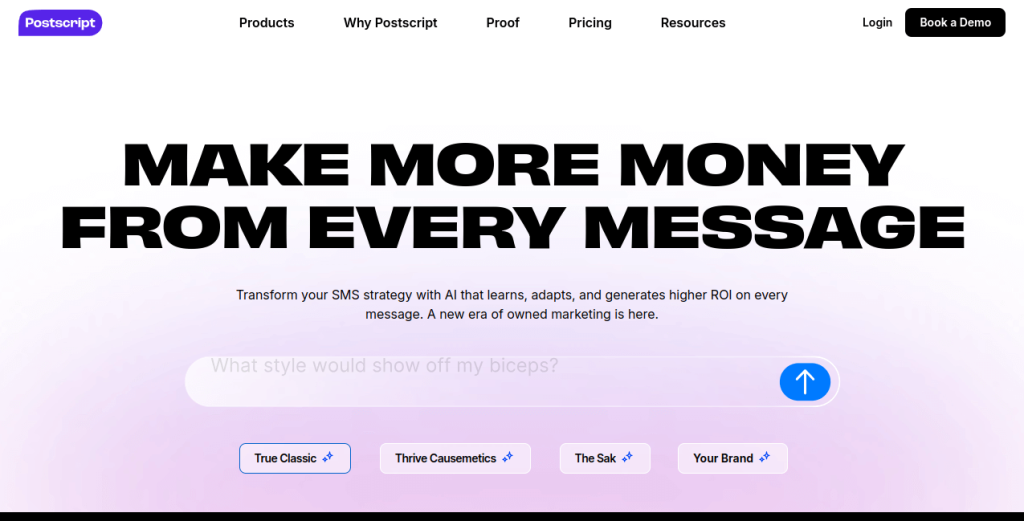
SMS open rates of around 98% — versus roughly 20% for email — make text messaging one of the most direct marketing channels available. Klaviyo and Omnisend both offer SMS, but SMS is a secondary feature in both. Postscript is built entirely around text: subscriber acquisition, segmentation, two-way conversation, compliance, and deliverability all receive a level of depth that multi-channel platforms don’t prioritise.
The practical question is whether SMS is a meaningful revenue channel for your specific store. For fashion, beauty, lifestyle, and event-driven brands with a mobile-engaged customer base, Postscript makes sense as a dedicated investment. For stores where SMS is a supplementary touchpoint, the SMS features built into Klaviyo or Omnisend are likely sufficient.
Key Features
- Subscriber Growth Tools: Customizable popups, keywords, and compliance tools to build your SMS list quickly
- Advanced Segmentation: Create hyper-targeted campaigns based on purchase behavior, engagement, and customer attributes
- Automated Flows: Pre-built automations for cart abandonment, shipping updates, back-in-stock alerts, and VIP offers
- Two-Way Conversations: Enable real-time customer service through SMS
- Compliance Management: Built-in tools to ensure TCPA and GDPR compliance
Who It’s For
Postscript is ideal for brands that generate significant revenue from promotional campaigns and want to maximize SMS as a high-converting channel. It’s particularly effective for fashion, beauty, and lifestyle brands with engaged mobile audiences.
Pricing
- Starting Price : $25/mo
- No free plan — paid credits for messages
- SMS Credits : Pay-as-you-go
- Rates vary by volume and carrier
- Shopify Rating : 4.5 / 5 – 2,100+ reviews · Jan 2026
The Bottom Line
If SMS is a core revenue driver for your store, Postscript’s specialized features and superior deliverability make it worth the investment over multi-channel platforms.
4. Yuko Affiliate Marketing: Turn Customers into Brand Advocates
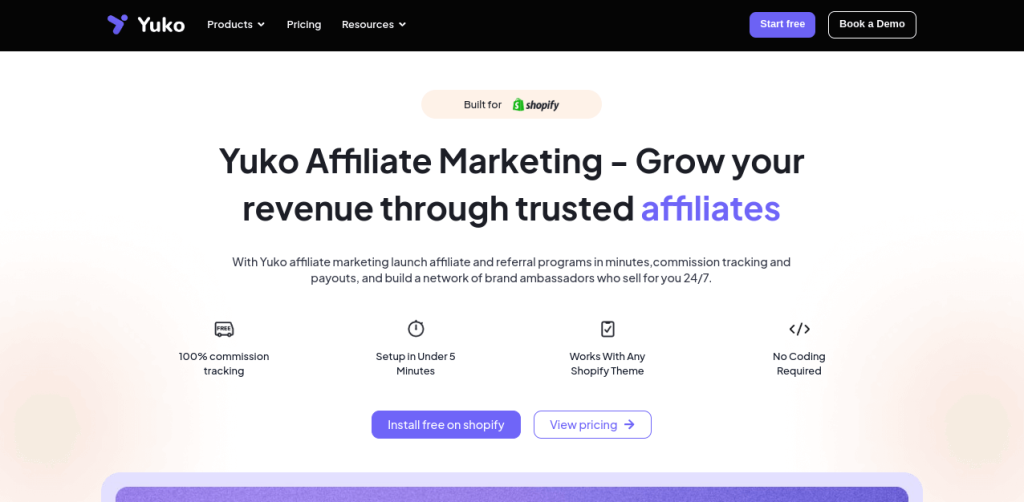
Affiliate marketing operates on a pay-for-performance model — you only pay commissions when affiliates drive actual sales — which makes it one of the more capital-efficient acquisition channels available to Shopify stores. Yuko automates the operational overhead of running an affiliate programme: generating unique tracking links and discount codes, recording conversions, calculating commissions, and managing payouts across multiple payment methods.
The legitimate use case for a tool like this is stores that want to formalise word-of-mouth and influencer relationships without the manual spreadsheet management that would otherwise require.
Limitations to note: the free plan restricts the number of active affiliates and does not include multi-tier commission structures. The reporting dashboard is functional but less sophisticated than standalone affiliate platforms like Refersion. Some reviewers on the App Store note that payout processing speed could be improved.
Key Features
- Automated Affiliate Tracking: Real-time tracking of clicks, conversions, and sales through unique affiliate links
- Customizable Commission Structures: Set flexible commission rates based on products, collections, or individual affiliate performance
- Multi-Tier Programs: Create sophisticated reward structures with different tiers to incentivize top performers
- Auto-Generated Links & Codes: Automatically create unique affiliate links and discount codes for each partner
- Flexible Payout Options: Multiple payment methods including PayPal, store credit, and manual payments
- Branded Signup Portal: Customizable affiliate registration pages that match your brand
- Performance Analytics: Comprehensive dashboards showing affiliate performance, ROI, and commission tracking
- Referral + Affiliate Combined: Run both customer referral programs and traditional affiliate programs simultaneously
Who It’s For
Yuko is perfect for stores looking to scale through performance-based marketing without the high costs of paid advertising. It’s especially valuable for brands with engaged customer communities or those working with influencers and content creators.
Pricing
- Starting Price : Free
- Limited affiliates on free plan
- Paid Plans From : Contact for pricing(Scales by affiliate volume)
- Shopify Rating : 4.7 / 5 – 800+ reviews · Jan 2026
The Bottom Line
With affiliate marketing consistently delivering higher ROI than traditional ads and running on a pay-for-performance model, Yuko eliminates the guesswork and manual work from managing affiliate relationships. You only pay affiliates when they drive actual sales, making it one of the most cost-effective marketing channels available.
5. Privy: Conversion & List Growth Engine
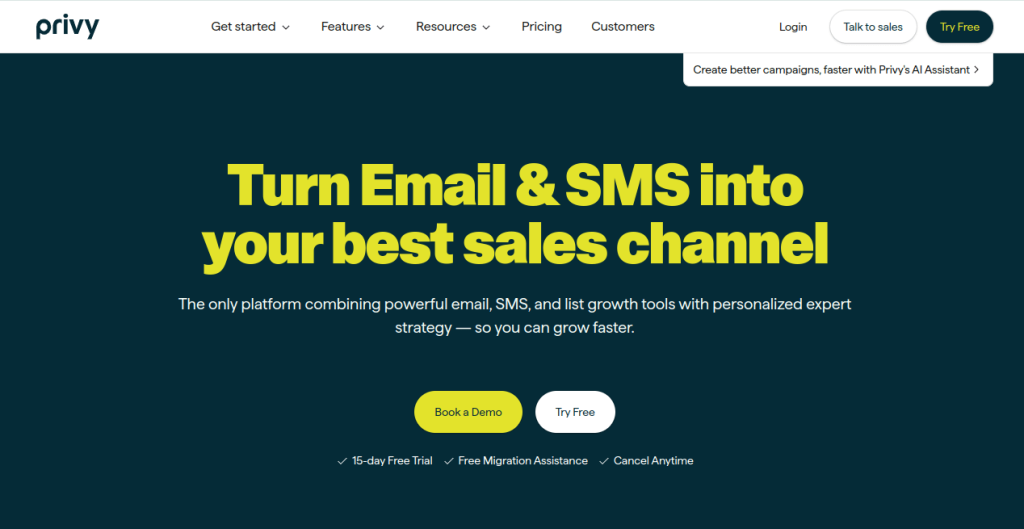
Privy’s 25,000+ Shopify reviews represent the broadest independent validation in this list — and the consistent theme across those reviews is that it works simply and reliably. The core function is on-site conversion: capturing visitor emails and phone numbers through popups, banners, embedded forms, and exit-intent triggers before those visitors leave your site.
What distinguishes Privy from other popup tools is the targeting logic. You can trigger different offers based on cart value (show 15% off to carts over £50, show free shipping under £50), traffic source, device type, and the number of pages viewed. This kind of conditional logic is meaningful for conversion rate — generic 10%-off-everything popups perform materially worse than contextually targeted ones.
Key Features
- High-Converting Popups: Exit-intent popups, spin-to-win wheels, announcement bars, and flyouts
- Smart Targeting: Display offers based on cart value, traffic source, device type, and browsing behavior
- Email Automation: Basic flows for welcome series, abandoned cart, and cross-sells
- A/B Testing: Test different offers and designs to maximize conversions
- Built-In Email & SMS: No need for separate platforms for basic automation needs
Who It’s For
Privy is perfect for new and growing stores that need to build their email list quickly and convert more visitors without investing in multiple expensive tools.
Pricing
- Starting Price : Free (Up to 100 contacts)
- Paid Plans From : $13/mo (Email plan · SMS available as add-on)
- Shopify Rating : 4.6 / 5 – 25,000+ reviews · Jan 2026
The Bottom Line
Privy is your front-line defense against lost sales. It captures visitors before they leave, grows your owned audience, and automates basic nurture campaigns—all in one affordable package.
6. Triple Whale: Marketing Analytics & Attribution
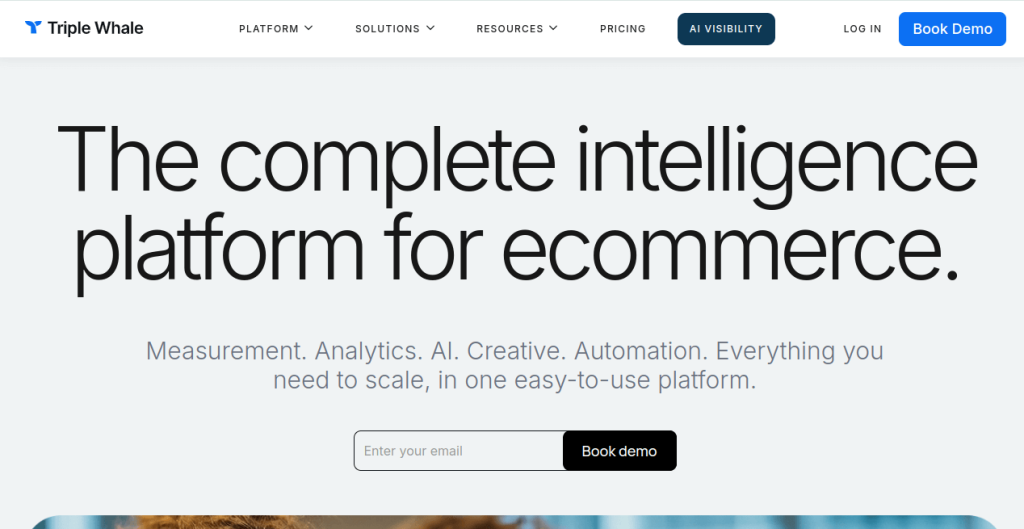
Attribution – understanding which marketing activities actually caused a sale — has become significantly more difficult since iOS 14 limited Facebook’s tracking and third-party cookies began disappearing. Platform-reported attribution (what Facebook says it drove, what Google says it drove) is notoriously inflated and double-counts revenue across channels. Triple Whale addresses this by running its own pixel and server-side tracking alongside Shopify’s native data to build a unified, deduplicated view of revenue attribution.
The honest caveat: no attribution tool offers perfect accuracy. Triple Whale gets closer than relying solely on platform-reported data, but some revenue will always fall into ambiguous multi-touch scenarios. Where the tool delivers undeniable value is in daily operational decision-making — its dashboard surfaces anomalies (ROAS dropping, CPA spiking) faster than manually checking four separate ad platforms.
Key Features
- Real-Time Dashboards: See all your key metrics—revenue, ROAS, CAC, LTV—in one unified view
- Multi-Channel Attribution: Track performance across Facebook, Google, TikTok, email, SMS, and organic channels
- AI Agent “Moby”: Get instant answers to complex analytics questions using natural language
- Daily Summaries: Receive automated reports highlighting wins, concerns, and opportunities
- Pixel & Server-Side Tracking: Improve data accuracy beyond standard platform tracking
If you’re running paid advertising campaigns, combining Triple Whale with the right Shopify ads apps ensures you’re tracking every dollar spent and earned accurately.
Who It’s For
Triple Whale is essential for growing and scaling brands that spend significant amounts on paid advertising and need clear visibility into what’s actually driving revenue.
Pricing
- Starting Price : $129/mo (Based on store revenue)
- Free Trial : Available (No free plan)
- Shopify Rating : 4.4 / 5 – 380+ reviews · Jan 2026
The Bottom Line
For 2026, where proving ROI to stakeholders is non-negotiable, Triple Whale helps marketing directors make smarter investment decisions. You can’t optimize what you can’t measure, and Triple Whale makes measurement effortless.
Ready to level up your Shopify marketing automation? Start by choosing one app from this list that addresses your biggest pain point, master it, then layer in the others strategically. Your future self (and your revenue) will thank you.
Also Read: Top 5 Shopify Print on Demand Apps in 2026
How These Apps Work Together: The Synergy Effect
The real power of this stack isn’t in the individual apps it’s in how they complement each other to create a seamless customer experience:
Visitor Journey Example:
- Privy captures a visitor’s email with an exit-intent popup offering 10% off
- Klaviyo/Omnisend automatically sends a welcome series, introducing your brand story
- If they don’t purchase, Postscript sends a time-sensitive SMS reminder about their discount
- After purchase, Yuko invites them to join your affiliate program with their order confirmation
- Triple Whale tracks the entire journey and attributes revenue to the right channels
Abandoned Cart Recovery:
- Klaviyo/Omnisend sends the first email reminder after 1 hour
- Postscript follows up with an SMS after 24 hours with added urgency
- Privy shows a last-chance popup if they return to the site
- Triple Whale tracks which channel ultimately recovered the sale
Customer Retention Loop:
- Klaviyo/Omnisend nurtures customers with post-purchase flows and personalized recommendations
- Yuko turns happy customers into affiliates who refer friends
- Postscript sends VIP offers and back-in-stock alerts to your best customers
- Triple Whale measures customer lifetime value and identifies your most profitable segments
To further increase average order value, consider adding one of the best upsell apps for Shopify to your automation stack.
When these apps work in harmony, you create a marketing engine that operates 24/7, personalizing experiences and maximizing revenue at every touchpoint.
Building Your Lean Marketing Stack
The goal isn’t to install every app that looks interesting it’s to build a lean, strategic stack that covers your core marketing needs without redundancy or performance issues.
Here’s how these six apps work together:
- Klaviyo or Omnisend handles your email and SMS automation (choose one based on your complexity needs)
- Postscript supercharges your SMS strategy if it’s a major revenue driver
- Yuko Affiliate Marketing builds a performance-based marketing channel through affiliates and referrals
- Privy captures visitors and grows your lists through on-site conversion
- Triple Whale gives you the analytics to measure and optimize everything
Implementation Strategy: Getting Started
Step-by-Step Implementation
- Start Simple: Don’t try to implement everything at once. Begin with email automation, then add SMS, then layer in affiliate marketing and advanced analytics
- Integrate Deeply: Ensure all apps connect properly to your Shopify store and share data where beneficial. Modern AI-powered Shopify apps can help automate data syncing and optimization across your stack.
- Monitor Performance: Set up regular quarterly reviews to ensure each app is delivering ROI
- Avoid Redundancy: If two apps offer similar features, choose the one that does it better and stick with it
- Launch Affiliate Programs Strategically: Wait until you have a solid customer base before launching affiliate programs , your happy customers make the best brand advocates
What About Shopify Email?
Shopify’s native email tool is sufficient for absolute beginners, but serious growth requires the segmentation, automation, and reporting capabilities that dedicated platforms provide. Once you’re sending regular campaigns, upgrading to Klaviyo or Omnisend should be a priority.
Also Read: Top 15 Shopify Wholesale Pricing Apps: Complete B2B Solutions Guide 2026
The Future of Marketing Automation
The marketing automation landscape continues to evolve rapidly. In 2026, we’re seeing several key trends:
- AI-Powered Personalization: Tools increasingly use AI to predict customer behavior and automatically adjust messaging
- Privacy-First Marketing: First-party data collection and owned channels (email, SMS) are more critical than ever
- Performance-Based Channels: Affiliate marketing and referral programs are gaining traction as cost-effective alternatives to paid ads
- Unified Customer Experiences: The best tools integrate seamlessly to create cohesive journeys across channels
- Automation Without Complexity: Platforms are becoming more user-friendly while maintaining powerful capabilities
Also Read: 9 AI-Powered Shopify Apps 2026: Marketing, SEO & Customer Service Automation
The brands that thrive will be those that master automation not for automation’s sake, but to deliver genuinely valuable, timely experiences that customers appreciate.
Common Mistakes to Avoid
As you build your marketing automation stack, watch out for these common pitfalls:
- Over-Installing Apps: More apps don’t equal better results. Most high-performing brands use fewer than 15 apps total. Focus on quality over quantity. Learn more about avoiding common mistakes with Shopify AI apps.
- Ignoring Integration: Apps that don’t integrate well create data silos and require duplicate work. Always verify compatibility before installing.
- Set-It-and-Forget-It Mentality: Automation isn’t “passive income.” Review performance monthly, test variations, and optimize based on data.
- Skipping Mobile Optimization: Over 70% of ecommerce traffic comes from mobile devices. Ensure all emails, popups, and campaigns are mobile-friendly.
- Weak Email List Hygiene: Sending to unengaged subscribers hurts deliverability. Regularly clean your list and re-engage or remove inactive contacts.
- Missing the Human Touch: Automation should enhance personal connection, not replace it. Balance automated flows with authentic, timely communication.
Also Read: 15 Best Shopify Upsell Apps for 2026
Your Next Steps: Getting Started Today
Ready to transform your Shopify marketing with automation? Here’s your action plan:
Audit & Assess
- Review your current marketing efforts and identify gaps
- Determine which channels (email, SMS, affiliate) have the most potential
- Set clear goals: What do you want to achieve? (e.g., 20% increase in email revenue, reduce CAC by 30%)
Foundation First
- Start with email automation (Klaviyo or Omnisend)
- Set up essential flows: welcome series, abandoned cart, post-purchase
- Install Privy to begin growing your email list
Expand Channels
- Add SMS if your audience is mobile-engaged (Postscript or built-in SMS)
- Implement basic automation: cart abandonment, order updates, VIP offers
Scale & Optimize
- Launch affiliate program (Yuko) if you have a solid customer base,follow our complete Shopify affiliate marketing guide for best practices
- Add analytics (Triple Whale) to measure true ROI across all channels
- Begin A/B testing and optimization based on data
Ongoing: Refine & Grow
- Review metrics monthly and adjust strategies
- Test new automation workflows quarterly
- Scale what works, eliminate what doesn’t
Also Read: Top 15 Shopify Product Research Apps 2026: Find Your Winning Products
The best time to start was yesterday. The second-best time is today.
Final Thoughts
Marketing automation isn’t about replacing the human touch—it’s about scaling it. The right apps free you from repetitive tasks so you can focus on strategy, creativity, and building relationships with your customers.
The six apps in this guide represent the essential foundation every Shopify store needs:
- Email & SMS automation (Klaviyo/Omnisend + Postscript)
- Affiliate & referral marketing (Yuko)
- Conversion optimization (Privy)
- Marketing analytics (Triple Whale)
Start with these, master them, and you’ll have a marketing engine that drives consistent, profitable growth in 2026 and beyond.
Remember: the difference between a struggling store and a thriving one often isn’t the number of apps you use , it’s how strategically you deploy the right tools to support revenue, retention, and customer experience.
Related reading
- Top 15 Shopify Product Research Apps 2026 – Find winning products to sell
- Top 5 Shopify Print on Demand Apps in 2026 – Start a POD business with zero inventory
- Top 15 Shopify Wholesale Pricing Apps – Scale into B2B sales
- 7 Best E-commerce Affiliate Programs in 2025 – Join programs as an affiliate
Frequently asked questions
While you can manage marketing manually when starting out, automation becomes essential as you scale. Manual marketing limits you to basic campaigns and makes personalization nearly impossible for hundreds of customers. Automation works 24/7, recovering abandoned carts while you sleep and nurturing leads automatically—freeing your time for strategy and growth.
Start with email first. Email has a larger audience, lower costs, and allows for detailed content. Build your foundational email flows (welcome series, abandoned cart, post-purchase) before adding SMS. Once email is generating consistent revenue, layer in SMS for high-intent moments like cart reminders and flash sales.
Expect to invest $50-200/month initially, scaling to $200-500/month as you grow:
• Email/SMS automation: $15-50/month
• SMS specialist (optional): $25-75/month
• Affiliate marketing: $0-30/month
• Conversion optimization: $13-30/month
• Analytics: $129+/month (for scaling stores)
A properly optimized email stack typically generates 20-30% of total store revenue.
Yes, these apps integrate seamlessly with Shopify and complement each other. All sync with your customer data automatically. The key is setting up clear rules to avoid duplicate messages,ensure customers receive coordinated messages across channels, not redundant ones.
Initial results appear within 2-4 weeks, but significant ROI takes 2-3 months. Week 1-2: Setup and activation. Week 3-4: First revenue from flows. Month 2: Optimization. Month 3+: Mature automation generating 20-30% of revenue. The key is continuous optimization—”set it and forget it” delivers minimal results.
Using default settings without customization. Generic emails don’t stand out. Winning stores invest in compelling copy, A/B testing, customer segmentation, regular optimization, and multi-channel coordination. Automation should feel personal and helpful, not robotic and sales-focused.
Start with 1-2 apps and expand strategically:
1. First: Email automation (Klaviyo/Omnisend)
2. Second: Conversion optimization (Privy)
3. Third: SMS or Affiliate marketing (based on your model)
4. Fourth: Analytics (when spending $5K+/month on ads)